APST-5: Assess, Provide Feedback and Report on Student Learning
Ensemble Performance Assessment Task + Feedback Sheet
NESA Music 7–10 Syllabus (2024) Outcomes: MU5-PER-01, MU5-LIS-01, MU5-LIS-02
Assessment Task Overview
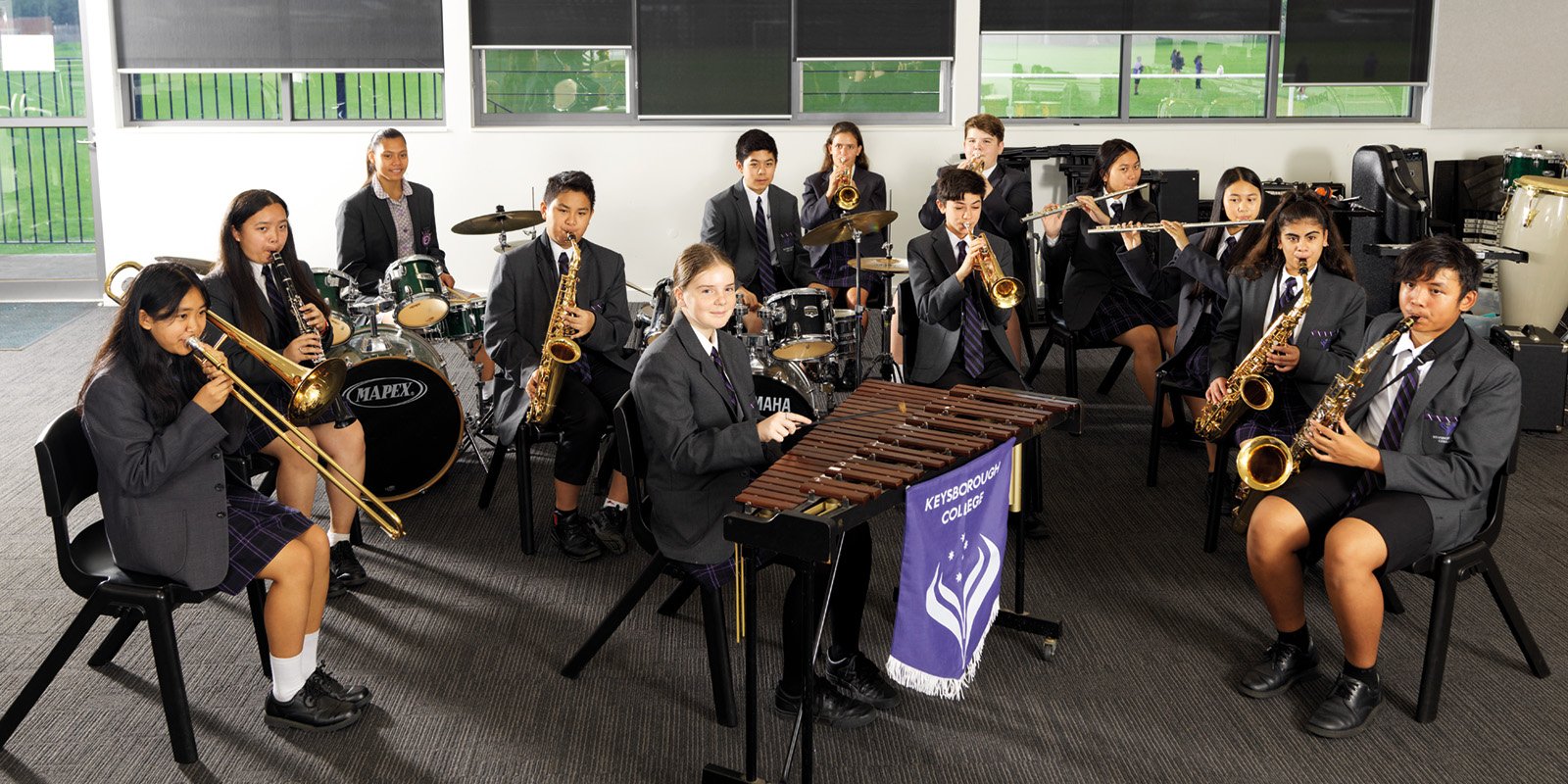
Students will participate in a full ensemble rehearsal and perform the repertoire, demonstrating stylistic awareness, ensemble skills, listening and musical expression. Students will then watch a recording of their performance and critically reflect and analyse their performance as an individual and as an ensemble.
Included Resources
Sheet music and ensemble arrangements
Rehearsal recordings
Digital tuner
Critical Reflection Sheet
Assessment Criteria
Technical accuracy
Stylistic awareness
Musical expression
Ensemble participation
Listening and responding to conductor cues
Collaboration and rehearsal contribution
Critical reflection
Understanding of the elements of music
Contribution during sectional and full ensemble rehearsals
Critical reflection on recorded performance
Student Self-Reflection
One thing I improved during rehearsal was…
One musical element I demonstrated effectively was…
One aspect of the recorded performance I would improve next time is…
One goal for the next rehearsal is…
Teacher Feedback
Strengths
Areas for Improvement
Commentary
This artefact demonstrates APST 5 through the implementation of formative and summative assessment practice with a Stage 5 ensemble rehearsal and performance context. The assessment task and feedback sheet align with NESA syllabus outcomes and success criteria, enabling students to demonstrate musical understanding, ensemble performance skills, stylistic awareness and reflective practice.
Assessment is embedded throughout the rehearsal process through teacher observation, conductor feedback, peer collaboration, self-reflection, and performance activities. Students critically reflect on recorded ensemble performances to evaluate their use of the elements of music, rehearsal contribution, musical expression, and ensemble cohesion. This supports ongoing formative assessment and enables students to identify strengths, areas for improvement, and future learning goals.
“Assessment as Learning” principles outlined in the NESA syllabus support students in monitoring their progress against outcomes, learning intentions and success criteria. Self-assessment strategies such as reflective questioning, rehearsal feedback and critical listening activities encourage students to actively engage in their own learning and develop greater independence as musicians and learners.
Structured assessment criteria and feedback gathered through rehearsal observations and reflective activities inform future teaching, rehearsal planning, differentiation, and student goal setting.